

Calcule o frete:
Para envios internacionais, simule o frete no carrinho de compras.
 Editora
 ISBN
ISBN Páginas
 Idioma
 Peso
Peso Acabamento
Sinopse
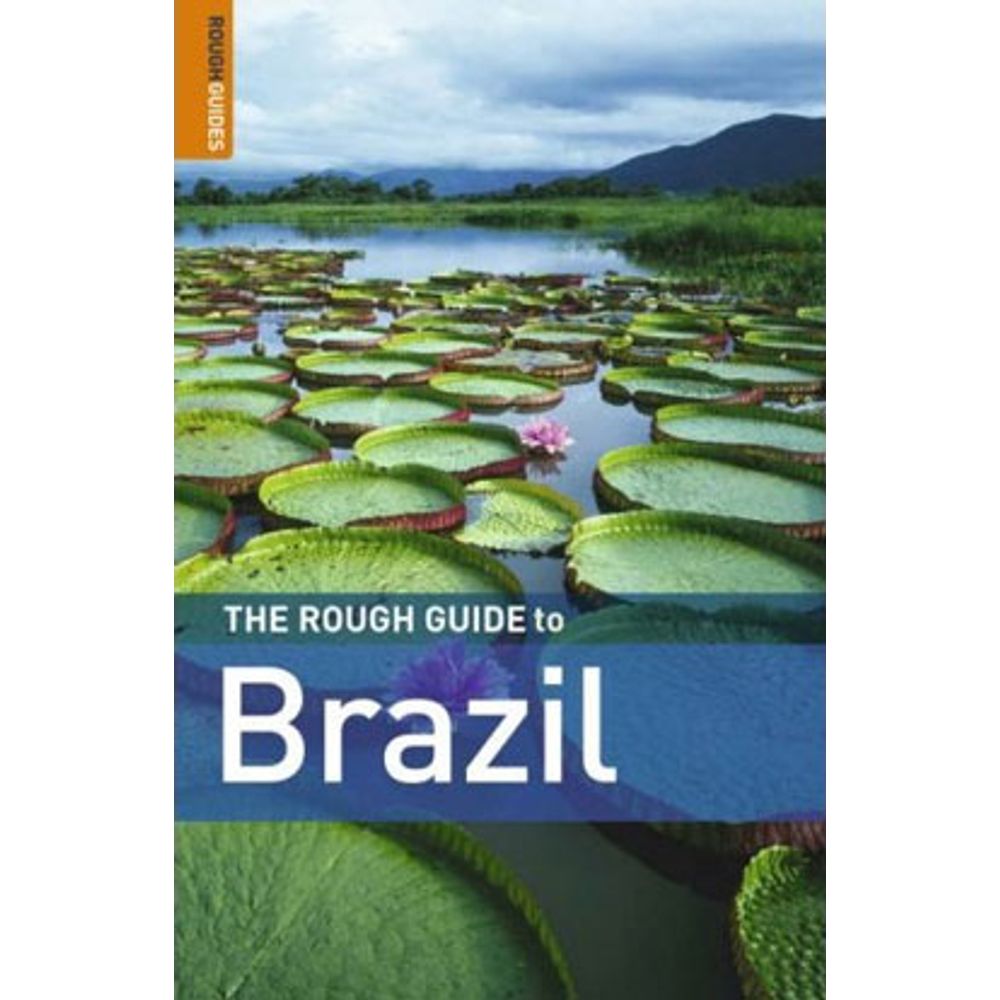
Brazilians often say they live in a continent rather than a country, and that's an excusable exaggeration. The landmass is bigger than the United States if you exclude Alaska; the journey from Recife in the east to the western border with Peru is longer than that from London to Moscow, and the distance between the northern and southern borders is about the same as that between New York and Los Angeles. Brazil has no mountains to compare with its Andean neighbours, but in every other respect it has all the scenic - and cultural - variety you would expect from so vast a country. Despite the immense expanses of the interior, roughly two-thirds of Brazil's population live on or near the coast; and well over half live in cities - even in the Amazon. In Rio and São Paulo, Brazil has two of the world's great metropolises, and nine other cities have over a million inhabitants. Yet Brazil still thinks of itself as a frontier country, and certainly the deeper into the interior you go, the thinner the population becomes. In reality, though, the frontiers have been rapidly disappearing since the construction of the highway network in the Amazon in the 1960s.
Ficha Técnica
Especificações
| ISBN | 9781843536598 |
|---|---|
| Pré venda | Não |
| Peso | 974g |
| Autor para link | JENKINS DILWYN |
| Livro disponível - pronta entrega | Não |
| Dimensões | 23 x 16 x 4 |
| Idioma | Inglês |
| Tipo item | Livro Importado |
| Número de páginas | 872 |
| Número da edição | 6ª EDIÇAO - 2006 |
| Código Interno | 238305 |
| Código de barras | 9781843536598 |
| Acabamento | PAPERBACK |
| Autor | JENKINS, DILWYN |
| Editora | ROUGH GUIDES |
| Sob encomenda | Não |